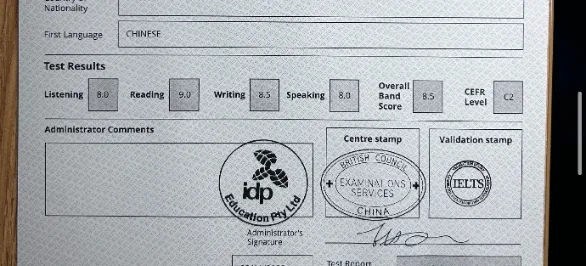
这本题属于文化保护与建筑风格(文化类+社会发展类交叉话题),中等偏高频率题。在雅思写作中,文化保护、传统与现代冲突类话题出现较多,尤其涉及建筑、城市规划、全球化影响等方向。
The idea that new buildings should imitate traditional styles to protect national culture is the topic of discussion. While conserving cultural identity is important, I generally disagree with this approach because modern housing needs cannot be met by traditional buildings and there should be room for innovation in the field of architecture.
译文:新建建筑应模仿传统风格以保护民族文化的观点是讨论的话题。虽然保护文化认同很重要,但我总体上不同意这种方法,因为传统建筑无法满足现代住房需求,并且建筑领域应有创新的空间。
Firstly, new residential construction projects usually set out to satisfy an insufficient supply of housing. Unfortunately, traditional architecture, which was appropriate when cities had significantly fewer residents, cannot meet the demands of 21st-century circumstances. The more traditional one or two-storey homes of the past are inadequate for the need to house the hundreds of thousands, if not millions, who are seeking a place to live in present day cities. Consequently, high-rise apartment complexes that have little or no resemblance to historical residential buildings are needed.
译文:首先,新的住宅建设项目通常旨在满足住房供应不足的问题。不幸的是,传统建筑适合城市居民数量少得多的时代,无法满足21世纪的需求。过去较为传统的一两层住宅不足以容纳当今城市中成千上万(甚至数百万)寻求住所的人。因此,需要建造与历史住宅建筑几乎没有相似之处的高层公寓综合体。
Moreover, the field of architecture would die out if it were not given sufficient freedom to innovate. If architects must work with one hand tied behind their backs at all times and could only reproduce designs from previous centuries, ambitious artists would choose other avenues to express their creativity by leaving architecture for other industries. In other words, by holding on too tightly to the past, governments trying to protect culture by restricting building designs would strangle the life out of the nation’s architectural culture.
译文:此外,如果建筑领域没有获得足够的创新自由,它将会逐渐消亡。如果建筑师必须始终束手束脚,只能复制过去几个世纪的设计,那么有抱负的艺术家会选择其他途径来表达他们的创造力,离开建筑行业转向其他产业。换句话说,政府若试图通过限制建筑设计来保护文化,对过去抓得过紧,反而会扼杀国家建筑文化的生命力。
However, this is not to say that governments should take a laissez-faire approach to urban planning. The presence of traditional buildings in people’s daily lives fosters a connection to their past history, linking people’s current experience to the struggles and glories of their ancestors, building a stronger sense of national identity and social cohesion. Therefore, symbols in the form of traditionally styled buildings should be strategically constructed or maintained throughout a city.
译文:然而,这并非是说政府应该对城市规划采取自由放任的态度。传统建筑存在于人们的日常生活中,能够培养与过去历史的联系,将人们当下的体验与祖先的奋斗和荣耀相连,从而建立更强的民族认同感和社会凝聚力。因此,应在城市中有策略地建造或维护传统风格的建筑作为象征。
Ultimately, I generally support the idea that new construction should not be limited to historically accurate styles due to their deficient practical limitations and the policy’s stifling effect on cultural growth. Meanwhile, we should remember older styles of buildings play a role in maintaining social harmony, and should not be fully abandoned.
译文:最终,我总体上支持新建建筑不应局限于历史精确风格的观点,因为它们存在欠缺的实际局限性,且该政策对文化增长有抑制作用。同时,我们应记住,较旧的建筑风格在维护社会和谐方面发挥作用,不应被完全抛弃。
从评分标准角度分析文章:
Task Response(题目回应):文章明确回应了题目,立场清晰(总体上不同意),并给出了两个主要理由(实用性不足和抑制创新),同时包含让步段(承认传统建筑的文化价值)。
Coherence & Cohesion(连贯与衔接):结构层次分明,段落间逻辑连贯(首先-此外-然而-因此-最终),使用多种衔接词(Moreover, Consequently, However, Therefore)连接观点。
Grammatical Range & Accuracy(语法范围与准确性):句型多样,使用了条件句、定语从句、插入语等复杂结构(如“if it were not given...”“which was appropriate when...”),语法准确。
Lexical Resource(词汇资源):词汇较为丰富且贴合主题(如“laissez-faire”“stifling effect”“social cohesion”),能使用同义替换(conserve/maintain; innovation/creativity)。
*本篇范文来自学为贵写作讲师黄德宝,请勿盗用